Tired of Walking Into a Dark House? This Lighting Trick Changed Everything
Walking in after a long day, fumbling for light switches in the dark—sound familiar? I used to dread those moments, especially when my arms were full or my kids were half-asleep. Then I discovered how smart lighting scenes quietly transformed our home. It’s not just about brightness—it’s about comfort, safety, and making daily routines feel effortless. No tech jargon, no complicated setups—just small, meaningful changes that made our life noticeably smoother. This is what modern living should feel like.
The Moment I Realized My Home Was Working Against Me
It was a Tuesday evening, the kind that starts with rain and ends with spilled juice on the kitchen floor. I had just carried in three grocery bags, one in each hand and a backpack with my daughter’s wet rain boots digging into my shoulder. The house was dark, silent, and completely unhelpful. As I shifted the bags to one arm and reached for the wall switch, my elbow knocked over a stack of mail. My son, half-asleep on my hip, started whimpering. All I wanted was light—just a little glow to guide us in safely. But instead, I felt like I was fighting my own home.
That moment stayed with me. It wasn’t just about the darkness. It was about how something as basic as turning on a light could add stress to an already exhausting day. I began to notice it more—coming home late from a school pickup, stepping into a pitch-black hallway, or tiptoeing around after bedtime, trying not to wake anyone. Our house, which was supposed to be our sanctuary, was making things harder. And honestly, I didn’t even realize how much those small frustrations were wearing me down until I found a way to fix them.
I’ve always thought of myself as someone who values peace and simplicity. I don’t care about having the latest gadgets just because they’re new. But that night, I made a quiet promise to myself: I wanted our home to feel like it was on my side. Not against me. And that’s how I started looking into smart lighting—not because I wanted to impress anyone, but because I needed a little help.
Discovering Smart Lighting Scenes—More Than Just Turning Lights On
At first, I thought smart lights were just about turning them on with my phone or voice. Cute trick, sure, but not life-changing. Then I heard about lighting “scenes,” and everything shifted. A scene isn’t just a light turning on—it’s a whole mood, a moment, a feeling. Think of it like creating a playlist for your home’s atmosphere. Instead of just “lights on,” you get “welcome home,” “good morning,” or “family movie night.”
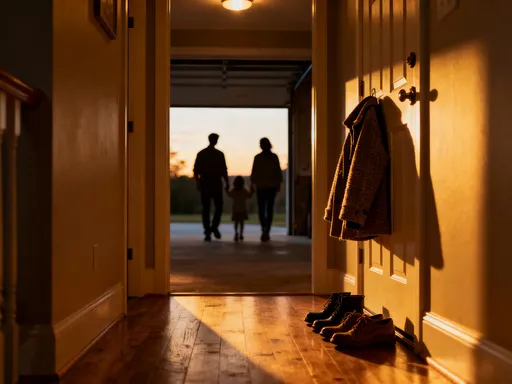
For example, my “Welcome Home” scene starts the moment I open the front door. The hallway lights come on at 30% brightness—just enough to see, not so much that it shocks my eyes. The kitchen light follows, soft and warm, like a quiet “we’ve been expecting you.” No fumbling. No dropped bags. Just light, ready and waiting.
It sounds simple, but the emotional difference is huge. Before, walking into a dark house felt like starting a chore. Now, it feels like being greeted. And that’s the thing about smart scenes—they’re not about automation for automation’s sake. They’re about creating moments of ease in the middle of a busy life. I didn’t realize how much I craved that kind of small comfort until I had it.
Another favorite is our “Wind Down” scene. Around 7:30 p.m., the lights in the living room and upstairs hallway slowly shift to a warmer, dimmer tone. It’s like the house is whispering, “It’s okay to slow down now.” My kids notice it too. My daughter says, “The lights are getting sleepy,” and actually starts brushing her teeth without being reminded. That’s not magic—it’s design. And it’s working.
Setting Up My First Scene—Easier Than I Expected
I’ll admit, I was nervous the first time I tried to set this up. I’m not a tech person. I still call my nephew to help me reset the Wi-Fi. So the idea of programming “scenes” sounded intimidating. But here’s the truth: setting up my first lighting scene took less than 15 minutes, and all I needed was my phone and a voice assistant I already owned.
I started with a basic smart bulb in the hallway—just one, to test it out. I downloaded the brand’s app, followed the setup steps (which basically meant screwing in the bulb, turning it on, and connecting it to my home Wi-Fi), and then created a simple routine. I named it “Coming Home,” set it to activate when I unlocked the front door via my phone’s location, and chose a soft white glow. That was it.
My husband walked in that evening and said, “You spent how much on a lightbulb?” I just smiled and said, “Wait for it.” When he opened the door, the light came on gently. He stopped, looked around, and said, “Okay… that’s actually kind of amazing.”
That moment made me realize something important: you don’t need to be a tech expert to benefit from smart home tools. You just need to know what kind of life you want to live. In my case, I wanted less friction, more warmth, and a home that felt alive in a good way. And it turns out, that’s exactly what this kind of technology is designed for—supporting real life, not complicating it.
How Lighting Shapes Our Family’s Daily Rhythm
One of the most surprising benefits has been how lighting helps us move through the day with more ease. Before, mornings were chaotic—yelling reminders, tripping over shoes, kids groggy and resistant. Now, we have a “Rise and Shine” scene that starts at 6:45 a.m. The bedroom lights slowly brighten over 15 minutes, mimicking sunrise. It’s not loud or harsh—just a gentle nudge that it’s time to wake up.
My son used to fight getting out of bed. Now, he says, “The sun is coming in the windows,” even when it’s pouring rain outside. It’s amazing how something so simple can change behavior. The light doesn’t force him up—it invites him. And because it feels natural, not jarring, he’s more cooperative from the start.
In the evenings, we use a “Bedtime Glow” scene. Thirty minutes before lights out, the living room and hallway lights dim and shift to a warm, amber tone. Screens go off, pajamas go on, and the house settles. My daughter calls it “the cozy lights,” and she actually gets excited for bedtime now. We read stories under this soft glow, and it feels like the whole house is breathing out.
What I love most is that we didn’t have to change our routine to make this work. The lighting adapted to us. And in doing so, it helped us create better habits without any yelling or nagging. It’s like having a quiet partner in parenting—one that doesn’t talk back, but still helps keep things running smoothly.
Unexpected Emotional Benefits—Safety, Calm, and Connection
I thought smart lighting would make things more convenient. I didn’t expect it to make me feel safer, calmer, or more connected to my family. But it has.
Take late nights, for example. Before, if I came home after dark—maybe from a school event or a friend’s house—I’d stand outside the door, key in hand, dreading the dark house. I’d worry about tripping, or worse, someone being inside. Now, the moment I unlock the door, the hallway lights come on gently. It’s not just practical—it’s reassuring. I feel seen. I feel welcome. And that small sense of safety makes a big difference.
Then there are the stressful days—the kind where everyone’s cranky, the dog barks at nothing, and dinner burns. On nights like that, I’ll say, “Let’s press reset.” I turn on our “Relax” scene: dim, warm light in the living room, no overheads, just soft pools of glow from floor and table lamps. I light a candle, put on quiet music, and we all just… breathe. My kids know this means no rules, no corrections, just being together.
It’s become our emotional reset button. The lighting doesn’t fix the stress, but it creates space for us to move through it. And sometimes, that’s enough. I’ve realized that home isn’t just a place—it’s a feeling. And these small lighting choices help us create that feeling, day after day.
Customizing Scenes for Real Life, Not Perfection
I’ll be honest—my first attempts weren’t perfect. I set a “Good Morning” scene that turned on all the lights at full brightness at 6 a.m. Bright, yes. Peaceful? Not even close. My son covered his head with a pillow and said, “It feels like an alarm clock for my eyes!” I laughed, but I also learned: smart lighting works best when it fits your life, not some idealized version of it.
So I started paying attention. I noticed that on weekends, we wake up later. So now, the “Rise and Shine” scene only runs on weekdays. I saw that my daughter likes a little light in her room after bedtime, so I added a nightlight scene that stays on at 10% until 9 a.m. I even created a “Movie Night” scene that dims the lights and turns on a soft blue glow behind the TV—just enough to reduce eye strain without ruining the mood.
The key was observing how we actually live, not how I thought we should live. I stopped trying to make everything “smart” and focused on what mattered: comfort, ease, and family rhythm. And the more I customized, the more natural it felt. Now, the technology doesn’t feel like tech at all. It just feels like home.
Another thing I adjusted was timing. At first, I set scenes based on the clock. But life isn’t that predictable. So I switched to using triggers—like door sensors or phone location—so the lights respond to what’s actually happening. If I’m running late, the “Welcome Home” scene waits. If the kids are still playing, the “Bedtime Glow” doesn’t rush them. It’s not about control—it’s about care.
Why This Small Change Feels Like a Big Win
When I look back at that rainy Tuesday—the spilled groceries, the dark hallway, the overwhelmed mom—I see how far we’ve come. That moment didn’t just spark a lighting upgrade. It sparked a shift in how I think about my home. I used to see it as a place that needed managing. Now, I see it as a partner in our daily life—one that can support, soothe, and even surprise us in small, beautiful ways.
This wasn’t about buying the most expensive system or turning our house into a lab. It was about making one thoughtful change that rippled through everything. The lights don’t do my laundry or cook dinner. But they make walking into the house feel easier. They help my kids wind down without resistance. They give me a sense of calm on hard days. And sometimes, that’s exactly what I need.
What I’ve learned is that the best technology doesn’t draw attention to itself. It fades into the background and leaves behind a better experience. It’s not about being futuristic. It’s about being human—tired, busy, loving, trying our best. And when your home meets you there, with warmth and quiet support, it changes everything.
If you’ve ever stood in the dark, juggling bags and kids, wishing for just a little help—know this: you don’t need a full overhaul. You don’t need to understand coding or networks. You just need one smart bulb, one simple scene, and the courage to try. Because sometimes, the smallest light can guide you to a much better way of living. And that, to me, is what home should feel like—safe, soft, and always ready to welcome you back.