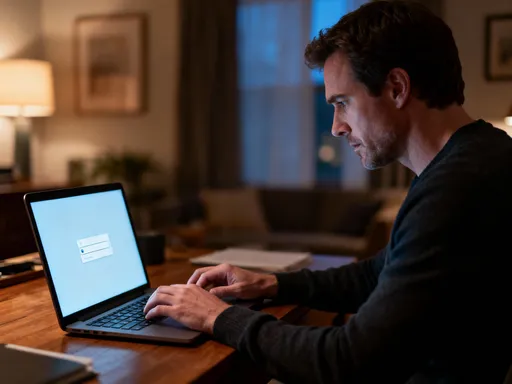
Organized my family’s chaos in 3 weeks: How cloud storage made us calmer and closer
Remember that frantic morning when your child’s school project was due, but the file was stuck on your work laptop? Or when your partner needed the insurance documents while you were halfway across town? I’ve been there—more times than I’d like to admit. It wasn’t just about files; it was stress, missed moments, and small frustrations piling up. Then I discovered something simple that changed everything: using cloud file storage the right way. Not as a tech tool, but as a quiet force that brings order to daily life. What started as a search for convenience became a journey toward calm, connection, and confidence—for me, and for my whole family.
The Mess We All Live In (And Think We Have to Accept)
Let’s be honest—most of us are just one spilled coffee away from digital disaster. I used to think disorganization was part of being a busy mom. You know the drill: your daughter’s science fair slideshow is saved on the old laptop that hasn’t turned on in months. Your son’s soccer team permission slip gets forwarded five times because no one knows who has the final version. You promise your sister you’ll send those beach vacation photos, but they’re trapped on your phone from last summer, buried under hundreds of screenshots and grocery lists. We accept this chaos as normal. But it’s not normal—it’s exhausting.
And it’s not just about losing files. It’s about the emotional weight that builds when you’re constantly chasing information. I remember one Tuesday morning when the school nurse called asking for my son’s allergy form. I was in a meeting, my husband was driving to work, and the file was on his home computer. I felt my chest tighten. I had to call him, interrupt his commute, wait for him to find the document, then wait again while he emailed it. By the time it was done, I was flustered, late for my next call, and mad at myself for not being more on top of things. That moment wasn’t unique. It was just one of dozens of tiny crises that happen when your family’s information isn’t where you need it, when you need it.
What I didn’t realize then was that this wasn’t a personal failure. It wasn’t because I wasn’t trying hard enough. It was because we were using outdated systems in a world that moves too fast. We’re juggling school, work, appointments, relatives, and life’s surprises—and expecting USB drives and email attachments to keep up. That’s like trying to carry groceries home on a bicycle with a flat tire. It might get you there eventually, but it’s going to be messy, slow, and stressful. The good news? There’s a better way. And it’s not about doing more. It’s about doing things differently—smarter, gentler, and with a little help from technology that’s already in your pocket.
My First Clumsy Steps Into the Cloud
I didn’t start this journey with a plan. I started with panic. The final straw was when I had to print my daughter’s college application essay the night before it was due—and realized it was saved only on my work computer, which had been sent in for repairs. I was standing in my kitchen at 10 p.m., holding a crying 17-year-old, and all I could think was, How did we let this happen? That’s when I downloaded a cloud storage app for the first time. I didn’t know what I was doing. I just knew I couldn’t live like this anymore.
At first, I treated the cloud like a digital junk drawer. I uploaded whatever I could find—old tax returns, school forms, a few photos. I created a folder called “Important” and dumped everything in it. Then I forgot my password. When I finally got back in, I accidentally deleted a shared folder my husband had been using for car insurance paperwork. He didn’t yell, but I saw the look on his face—the one that said, Now what did you do? I felt defeated. I thought, Maybe this just isn’t for me. Maybe I’m not tech-savvy enough.
But then something shifted. I started watching short tutorial videos—not about settings or security, but about how real people used cloud storage in their daily lives. One woman showed how she kept a shared grocery list that updated in real time. Another mom explained how she stored her kids’ vaccination records so the babysitter could access them. These weren’t tech experts. They were people like me—busy, overwhelmed, trying to make life easier. And they weren’t using the cloud to impress anyone. They were using it to breathe. That’s when I realized: this wasn’t about mastering technology. It was about creating peace. The cloud wasn’t the problem. My approach was. I wasn’t organizing—I was dumping. And no system works when you treat it like a trash can.
Learning to Think in Folders (And Why It Changed Everything)
The real change began when I stopped thinking about storage and started thinking about access. I created one main family folder and gave my husband and kids access. Inside, I made simple subfolders: School, Medical, Travel, Finances, Home. Nothing fancy. No complicated naming systems. Just clear, obvious labels. I used colors—blue for school, green for medical—so even my 8-year-old could find what he needed. Then I started moving things over, little by little. School projects. Vaccination records. Scanned copies of passports. Receipts for big purchases. It took a few weekends, but it wasn’t hard—just consistent.
What surprised me most was how quickly my family adapted. I showed my daughter how to save her book reports directly into the “School” folder instead of leaving them on her desktop. She loved that she could open them from any device—her tablet, the library computer, even my phone when she needed to show me something. My son started adding his soccer schedules and team emails to the “Activities” folder. My husband began scanning car registration and insurance documents after we nearly missed a renewal deadline. We weren’t just storing files—we were building trust in a system that worked for all of us.
And here’s the thing: it didn’t have to be perfect. There were still mislabeled files. Sometimes someone saved something in the wrong place. But instead of getting frustrated, we’d fix it together during our monthly “digital cleanup” night—yes, we made it a thing. We’d sit with tea, go through the folders, delete duplicates, rename files, and celebrate what we’d kept organized. It became a ritual, not a chore. Over time, the cloud stopped feeling like a tech tool and started feeling like a shared space—like our digital living room, where everyone knew where to find the remote, the keys, and the snacks.
The Morning Everything Just Worked
The first time I knew this was working, I was at my sister’s house, helping her care for her newborn. My phone buzzed—it was the school nurse. My son had thrown up during lunch, and they needed his medical history and emergency contacts right away. My heart jumped, but I didn’t panic. I opened the cloud app, tapped the “Medical” folder, and found his updated record in three seconds. I forwarded it with one click. That’s it. No frantic calls. No running to the car to grab a file. Just calm, quiet action.
Afterward, I sat there, rocking the baby, and realized something: I hadn’t just saved time. I’d saved my energy. I hadn’t spent those minutes in a spiral of stress, guilt, and distraction. I’d been present. I’d been able to help my sister because I wasn’t consumed by my own emergency. That moment changed how I saw the cloud. It wasn’t just about convenience. It was about emotional resilience. When the critical things are taken care of—when you know exactly where to find them—you can handle the unexpected with grace.
Since then, so many little things have gotten easier. School forms are signed and submitted without last-minute scrambles. Travel plans are shared with grandparents so they know arrival times and hotel details. My husband can file insurance claims from his phone while waiting in line at the pharmacy. We don’t argue about whose turn it is to find the Wi-Fi password anymore—we all know it’s in the “Home” folder, under “Internet.” These aren’t huge victories, but they add up. And over time, they’ve created a quieter, calmer home—one where we spend less time searching and more time connecting.
Teaching My Kids to Be Calm, Capable, and Organized
One of the most unexpected gifts of this journey has been watching my kids grow more confident and independent. I didn’t sit them down for a “digital organization lecture.” I just showed them how I saved my files and invited them to do the same. My daughter, who used to lose her essays and rewrite them the night before they were due, now creates a new folder for every project. She saves drafts with clear names: “Science Fair Draft 1,” “Science Fair Final.” When she needs feedback, she shares the folder with her teacher. No more lost work. No more tears. Just progress.
My son, who used to shove permission slips in his backpack and forget them, now takes a photo and uploads it the same day. He checks the “Activities” folder every Sunday night to see his schedule for the week. He’s even started reminding me about upcoming events. “Mom, don’t forget—my dentist appointment is in the calendar folder,” he’ll say. These small habits aren’t just about staying organized. They’re about building confidence. When you know where your things are, you feel more in control. When you can access what you need, you feel capable. And when you stop losing things, you stop doubting yourself.
I’ve also noticed that they’re more responsible with their devices. Because they understand that their files live in a shared space, they think twice before downloading random games or cluttering their desktops. They’ve learned that digital organization is part of being a responsible family member. And honestly? That feels bigger than any tech skill. It’s about teaching them to care for their space, their time, and their commitments. The cloud became a quiet teacher—showing them that being organized isn’t about being perfect. It’s about showing up, doing your part, and trusting that others will do theirs.
How a Simple Folder Brought Us Closer
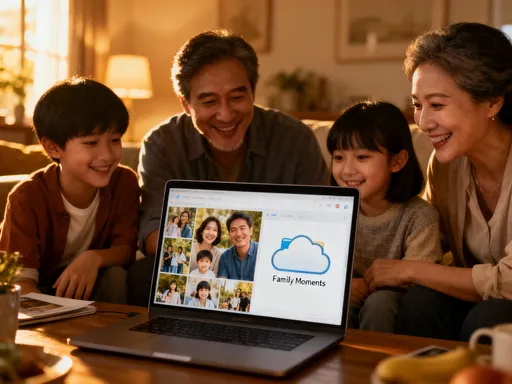
One night, on a whim, I created a folder called “Family Moments.” I uploaded a video of my daughter’s first piano recital, a voice note of my son laughing during a board game, a few photos from our last beach trip. I shared it with my parents, my sister, and my in-laws. I didn’t expect much. But within days, my mom added a video of her baking cookies with my daughter during a visit. My sister uploaded photos from a surprise birthday party we threw for my husband. My father-in-law, who rarely uses tech, sent a scanned letter he’d written to the kids.
This folder didn’t just store memories. It became a living album—a place where love showed up in unexpected ways. When my mom was hospitalized last winter, she watched my daughter’s school play from her hospital bed. She sent me a text: “I felt like I was right there.” That moment brought me to tears. The cloud didn’t create the memory, but it made it accessible. It let us share joy, comfort, and presence—even when we were apart. Distance didn’t have to mean disconnection.
Now, we add to it regularly. Birthdays. Holidays. Funny moments. School achievements. It’s not curated or perfect. It’s real. And that’s what makes it powerful. My kids know they can go there anytime and see how much they’re loved. My husband and I look back when we need a reminder of what matters. This folder didn’t just organize our photos. It deepened our relationships. It became a digital hearth—a place where our family gathers, even when we’re in different rooms, different cities, or different time zones. The technology didn’t bring us closer. But it gave us a way to stay close.
Your Turn: Start Small, Think Big
If you’re reading this and thinking, I could never get my family to do that, I get it. I felt the same way. But you don’t have to do it all at once. You don’t need a perfect system. You just need to start. Pick one thing that causes stress—a shared grocery list, school forms, medical records, or travel plans. Create one folder. Name it clearly. Invite one person to join. Show them how to add a file. Celebrate when it works.
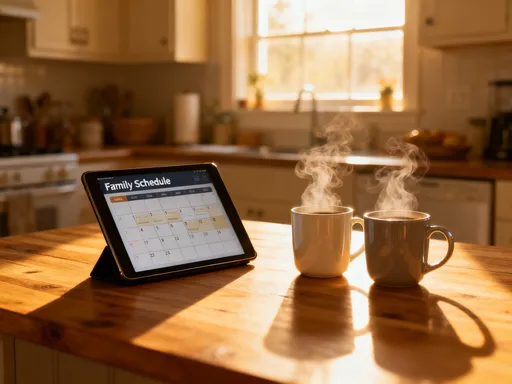
Here’s what helped me: I started with our family calendar. I created a folder called “This Month” and added PDFs of school events, doctor appointments, and social plans. I shared it with my husband and kids. We set a reminder to update it every Sunday night. That small step cut our scheduling conflicts in half. From there, we added the “Medical” folder. Then the “School” folder. Then the “Family Moments” album. Progress, not perfection.
Use simple file names. Instead of “Document123,” call it “Permission_Slip_Liam_Soccer_2025.” Turn on automatic photo backup on your phone so you never lose another moment. Set a monthly 10-minute timer to tidy up—delete duplicates, archive old files, rename anything unclear. Make it a ritual. Invite your family to join. Turn on notifications so you know when someone adds something important.
And most importantly, remember why you’re doing this. It’s not about having a flawless digital life. It’s about creating space—for calm, for connection, for confidence. It’s about knowing that when life throws you a curveball, you’ve got the tools to handle it. It’s about fewer frantic mornings and more moments of peace. It’s about showing your kids that being organized isn’t about control—it’s about care.
Three weeks after I started, I realized something: I hadn’t yelled once about a missing file. My kids were turning in their work on time. My husband and I were on the same page—literally. We weren’t just better organized. We were better connected. The cloud didn’t fix everything. But it gave us a foundation—a quiet, reliable system that lets us focus on what really matters: being present, being kind, and being together. And if that’s not worth a little digital cleanup, I don’t know what is.