Tired of Missing Out on Friend Gatherings? Virtual Reality Brought My Circle Back Together
Living far from friends, I used to scroll through photos of their get-togethers feeling left out. Weekend plans? Always a time zone away. But then I tried a simple VR hangout—no fancy gear, just a headset and Wi-Fi. We laughed, played games, even shared a virtual coffee. It felt real. For the first time in years, distance didn’t silence our connection. This isn’t sci-fi; it’s how we stay close now. And if you’ve ever felt that quiet ache of missing out, I want you to know—there’s a new way to belong again, right from your living room.
The Quiet Loneliness of Growing Apart
Remember those weekends when everyone met up at Sarah’s house, the kitchen filled with laughter and the smell of fresh cookies? Or the long phone calls after the kids were in bed, when we talked about everything and nothing all at once? I do. But somewhere along the way, those moments faded. Not because we stopped caring—never that—but because life got busy, miles got longer, and calendars stopped matching up.
My closest friends and I used to be inseparable. We celebrated birthdays together, supported each other through tough times, and even had a silly tradition of sending each other postcards from vacations. But when two of them moved across the country, and another started working unpredictable hospital shifts, our rhythm changed. Group texts would go unanswered for days. Birthdays were acknowledged with a quick message, not a hug. And the photos I saw online? They made me happy for them—but they also made my heart heavy. I was missing out. Not just on parties, but on the small, everyday moments that build a life together.
What surprised me most was how quietly it happened. There was no fight, no falling out. Just the slow, steady drift of lives moving in different directions. I’d tell myself, “We’ll catch up soon,” but “soon” never came. And the longer it went, the harder it felt to restart. I started wondering—was this just part of growing older? Was this how friendships naturally faded? It wasn’t dramatic, but it was deeply lonely. And I know I’m not the only one who’s felt this. So many of us are connected online, yet we feel more emotionally distant than ever. The truth is, connection isn’t just about staying in touch—it’s about feeling present. And for years, I didn’t feel present in my own friendships.
How VR Became Our Unexpected Reunion Space
Then, one rainy Tuesday, my friend Lisa sent me a message: “Hey, want to hang out tonight? No driving, no babysitter—just put on a headset.” I almost laughed. A headset? I pictured something clunky, like those old 3D glasses from the 90s. But Lisa insisted it was easy, and honestly, I was tired of saying no. So I borrowed a Meta Quest from my nephew and set it up in my living room.
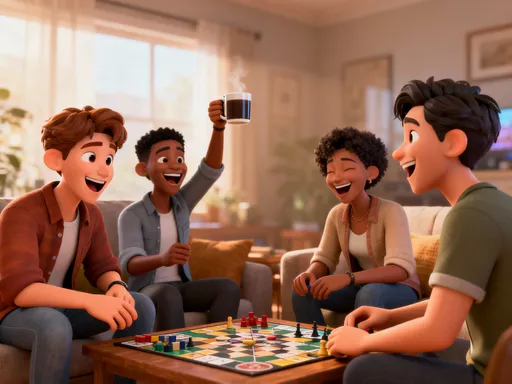
When I logged in, I didn’t see a game or a battlefield. I saw a cozy digital living room—soft lighting, a fireplace, and five cartoon-like avatars sitting on a couch. One of them waved. “That’s me!” Lisa called out from her end. I waved back, and my avatar did the same. It felt silly at first, like playing dress-up. But then someone said, “Remember that time we got lost hiking and ended up at that tiny diner with the amazing pie?” And we all laughed—*together*, in real time. Not through text, not on a frozen Zoom screen, but in a shared space where the laughter echoed and the gestures felt real.
We stayed for three hours. We played a simple puzzle game, shared virtual cupcakes (yes, really), and just talked—about our kids, our worries, our dreams. No agenda, no pressure. It wasn’t perfect—the graphics weren’t movie-quality, and once my avatar’s arm went through the table—but none of that mattered. What mattered was that I *felt* them. I could see when someone was leaning in to listen, when they smiled, when they paused to think. That night, I went to bed with a full heart. For the first time in years, I didn’t feel like I was on the outside looking in. I was back in the circle. And it wasn’t because I’d traveled anywhere—it was because they had come to me, in a way that finally felt close.
Breaking Barriers: No Travel, No Schedules, Just Connection
One of the most beautiful things about VR is how it removes the barriers that used to keep us apart. Think about it—how many times have you wanted to see a friend but couldn’t because of travel costs, babysitting, or just sheer exhaustion after a long week? I’ve canceled plans more times than I can count. But with VR, all I need is 10 minutes to put on the headset and log in. No airport, no hotel, no guilt about leaving the family.
Now, our group meets every Thursday night. We call it “Virtual Thursday.” Some weeks we play games like virtual bowling or trivia. Other weeks, we just sit in a digital garden and talk. One time, we even had a “virtual beach night” with sound effects of waves and a sunset that changed colors. My mom, who’s in her 70s and not exactly tech-savvy, joined us once. She said it felt like “teleporting” into our world. She loved it so much she asked me to set up her own headset. “I feel like I’m really there with you girls,” she said. That moment? Priceless.
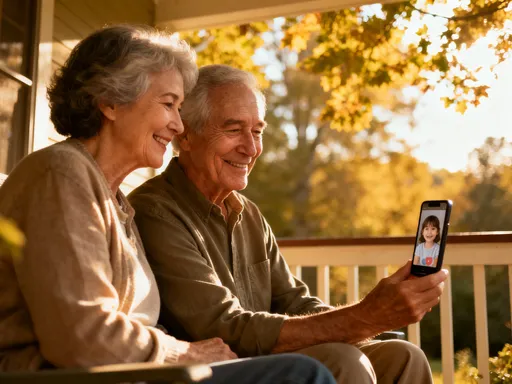
The flexibility has been a game-changer. Life doesn’t stop—kids get sick, work gets busy, weather cancels plans. But VR doesn’t care about that. If someone can’t make it one week, we record a short message or send a virtual gift. The consistency has rebuilt a rhythm we lost years ago. And the best part? We don’t need perfect timing. My friend in California joins from her porch at 7 PM her time, while I’m just finishing dinner at 10 PM mine. Time zones don’t win anymore. Connection does.
Building New Bonds in Shared Virtual Worlds
What I didn’t expect was that VR wouldn’t just help me reconnect with old friends—it would help me make new ones. A few months ago, I joined a VR book club. It wasn’t a formal thing—just a group of women who love reading and wanted to talk about books without distractions. We meet in a virtual library with soft lighting and comfy armchairs. No phones, no kids yelling in the background. Just us, our avatars, and our thoughts on the book.
I was nervous at first. Making new friends at my age? It felt awkward. But in VR, something shifted. Maybe it was because we weren’t focused on appearances—no makeup, no “what should I wear?” stress. We were just our voices and our gestures. One woman, Maria, shared how she used to love reading but stopped after her kids were born. “I forgot how good it feels to lose myself in a story,” she said. Another, Priya, talked about how hard it was to find time for herself. We listened. We nodded. We felt seen.
Now, we’ve read four books together and even started a private chat for sharing quotes and life updates. One member said, “I’m shy in person, but in VR, I feel brave enough to speak up.” That hit me. How many of us hold back because we’re afraid of judgment? In this space, we’re not judging each other—we’re sharing. And that’s created a kind of intimacy I didn’t expect. VR didn’t replace real life. It gave me a new way to live it more fully.
Simple Tools, Real Results: Getting Started Without Stress
I know what you might be thinking: “This sounds great, but isn’t VR complicated? And expensive?” I thought the same. But the truth is, it’s easier and more affordable than ever. The Meta Quest 2 and Quest 3 are designed for everyday people, not tech experts. You don’t need a gaming PC or a degree in computer science. Just a Wi-Fi connection and about an hour to set it up.
Here’s how I helped my sister get started: First, we unboxed the headset together. Then, I guided her through the app on her phone to connect it to Wi-Fi. She created a simple avatar—she made herself with purple hair and a denim jacket, which made us both laugh. Then, I sent her an invite to our next hangout. She clicked “join,” and within 20 minutes, she was in our virtual living room, waving at everyone. “This is weirdly fun,” she said. “I feel like I’m really with you.”
The platforms are user-friendly too. VRChat and AltspaceVR have public spaces for everything—book clubs, yoga classes, even cooking demos. You can join as a guest, no pressure. My advice? Start small. Try a 15-minute meet-and-greet. Don’t worry about doing it “right.” Let curiosity lead. And if the headset feels heavy, take breaks. This isn’t about mastering tech—it’s about reclaiming connection. The tool doesn’t matter as much as the intention behind it. You’re not buying a gadget. You’re opening a door.
Beyond Fun: How Virtual Hangouts Strengthen Emotional Health
At first, I thought VR was just a fun way to pass the time. But over time, I noticed something deeper. I felt lighter. Less anxious. More like myself. I wasn’t just “hanging out”—I was being seen, heard, and valued. And I’m not alone. Studies have shown that consistent social interaction, even in virtual spaces, can reduce feelings of loneliness and improve emotional well-being. One research project found that participants reported feeling *more emotionally present* in VR than on traditional video calls.
Think about it—when was the last time you felt truly heard? Not just listened to, but *felt*? In VR, the combination of voice, movement, and shared space creates a sense of presence that flat screens can’t match. For people who live alone, have mobility challenges, or struggle with social anxiety, this can be life-changing. A woman in our book club shared that she has chronic pain and rarely leaves her home. “VR is my window to the world,” she said. “It’s where I feel most like myself.”
And it’s not just for those with limitations. Even for those of us with full, busy lives, emotional connection is a basic need. We weren’t meant to go through life in isolation. When we laugh together, when we share our worries, when we just *exist* in the same space—even if it’s digital—we feel more alive. VR isn’t an escape from reality. It’s a way to enrich it. It reminds us that we matter, that we belong, that we’re not alone.
A New Normal: Rethinking Friendship in the Digital Age
I used to think that real connection had to happen in person—that anything else was a poor substitute. But life has taught me that love and friendship aren’t limited by form. They’re defined by feeling. And VR has given me a way to keep those feelings alive, even when miles separate us.
Last summer, we finally met in person for the first time in six years. We hugged, we cried, we ate too much pizza. But what struck me most was how natural it felt. We weren’t scrambling to catch up on years of missed moments. We were continuing a conversation that had never really stopped. Our inside jokes were still fresh. Our support for each other was still strong. The bond had stayed warm, thanks to those Thursday nights in VR.
This isn’t a trend. It’s a shift. A rethinking of what friendship can look like in a world where distance is no longer an excuse. Technology, when used with heart, doesn’t pull us apart—it brings us closer. It doesn’t replace real life; it deepens it. And for anyone who’s ever felt left out, left behind, or just too far away—there’s hope. You don’t have to wait for the perfect moment or the perfect plan. You can start tonight. With a headset, a Wi-Fi signal, and a little courage, you can walk back into the circle. Because friendship isn’t about proximity. It’s about presence. And now, thanks to VR, I’ve learned that presence can travel faster than any plane.