How Remote Work Rewired My Investing Game
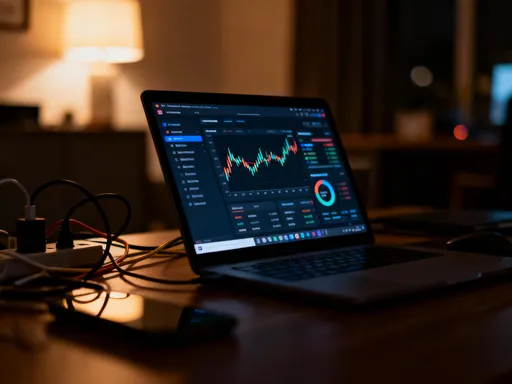
When I started working remotely, my daily routine changed—but so did my finances. Without the commute or office lunches, I had more cash, but also more temptation to overspend at home. That’s when I noticed shifts in market trends tied to this new lifestyle. From tech stocks to real estate, remote work was reshaping entire sectors. I began adjusting my investment approach, focusing on what’s growing, protecting against risks, and using practical strategies that actually work. Here’s how I navigated it—all from my home office.
The Remote Work Financial Shift
The shift to remote work has done more than change our workspaces—it has quietly restructured the foundation of personal finance for millions. Before the pandemic accelerated this trend, many people allocated a significant portion of their monthly income to transportation, work attire, and meals outside the home. With the removal of these fixed expenses, disposable income increased for a large segment of the workforce. For example, the average American commuter once spent over $250 per month on gas, parking, and vehicle maintenance, not to mention additional costs for dry cleaning or professional clothing. These savings, when redirected thoughtfully, can become a powerful engine for wealth accumulation.
Yet, this financial benefit comes with new behavioral challenges. Working from home introduces subtle but real spending temptations: upgrading home office furniture, investing in better internet infrastructure, or indulging in impulse purchases during midday breaks. Online retail activity surged during the peak remote work years, with digital shopping becoming a default pastime during work pauses. Subscription services—from fitness apps to entertainment platforms—also saw record growth as people sought convenience and comfort within their living spaces. What began as small, seemingly harmless expenses can accumulate into a hidden drain on household budgets if left unchecked.
This evolving financial landscape demands a reassessment of traditional budgeting models. The old 50/30/20 rule—allocating 50% to needs, 30% to wants, and 20% to savings—still holds value, but the definition of “needs” has shifted for remote workers. High-speed internet, ergonomic chairs, and cybersecurity software may now qualify as essential tools rather than luxuries. Recognizing this change allows individuals to realign their spending with their actual lifestyle, ensuring that savings goals remain on track. More importantly, this financial recalibration creates an opportunity to redirect saved commuting funds toward long-term investments, such as retirement accounts or diversified portfolios.
At the same time, broader economic patterns began reflecting this transformation. Sectors that support remote operations—like digital communication platforms, cloud storage providers, and e-learning services—experienced sustained demand. Conversely, industries reliant on in-person interaction, such as urban commercial real estate and public transit, faced prolonged challenges. These shifts are not temporary anomalies but structural changes in how value is created and consumed. For investors, understanding this pivot is critical. It means moving beyond outdated assumptions about workplace dynamics and embracing a new financial reality shaped by decentralized work models. The most successful investors will be those who recognize these trends early and adjust their strategies accordingly.
Following the Money: Market Trends Fueled by Remote Work
As remote work transitioned from a temporary solution to a permanent fixture for many organizations, capital began flowing into industries that enabled this new way of working. One of the most visible beneficiaries has been the cloud computing sector. Companies like Amazon Web Services, Microsoft Azure, and Google Cloud saw increased demand as businesses moved operations online, requiring scalable, secure, and accessible infrastructure. Cloud adoption is no longer limited to tech firms; it now spans healthcare, education, finance, and manufacturing, making it a foundational element of modern business operations. This trend is expected to continue, with global cloud spending projected to grow steadily over the next decade.
Cybersecurity has also emerged as a critical investment area. With employees accessing company data from personal networks and devices, the risk of data breaches has increased significantly. Organizations have responded by boosting their security budgets, driving growth in firms that offer endpoint protection, identity verification, and threat detection services. This isn’t a short-term spike—it reflects a permanent shift in how companies protect sensitive information. Investors who recognize the long-term necessity of cybersecurity are positioning themselves in a sector with durable demand and recurring revenue models.
Collaboration tools have similarly benefited. Platforms that facilitate video conferencing, project management, and real-time document sharing became essential overnight. While initial growth was explosive, sustained usage indicates that these tools are now embedded in corporate workflows. Even as some companies adopt hybrid models, the need for seamless digital collaboration remains high. This creates a stable revenue base for providers and supports long-term investment potential. Unlike speculative tech fads, these services address real operational needs, making them less vulnerable to market swings driven by sentiment alone.
Consumer behavior has also shifted in ways that present investment opportunities. E-commerce growth, already on an upward trajectory, accelerated during the remote work era. With more people spending time at home, online shopping for everything from groceries to home improvement supplies became routine. Digital payment platforms like PayPal and Square expanded their reach, benefiting from increased transaction volumes. These changes reflect more than convenience—they signal a fundamental reordering of retail economics. Brick-and-mortar retail still has a role, but its dominance has diminished, particularly in urban centers where foot traffic declined.
Real estate markets have also been reshaped. Urban commercial properties, once highly valued for their proximity to business districts, now face uncertainty. Vacancy rates in major cities rose as companies downsized office space or adopted remote-first policies. In contrast, suburban and rural housing markets gained momentum as workers sought more space, better value, and improved quality of life. This geographic rebalancing has implications for real estate investment trusts (REITs) and mortgage lenders. Investors who anticipated this shift were able to adjust their holdings before broader market corrections occurred.
Building a Remote-Ready Investment Strategy
Adapting your investment portfolio to the realities of remote work begins with alignment—choosing assets that benefit from the structural changes in how people live and work. This doesn’t mean abandoning traditional sectors entirely, but rather adjusting weightings to reflect where economic value is being created. Digital infrastructure, for example, has become a cornerstone of modern productivity. Investing in companies that provide broadband services, data centers, or software platforms positions a portfolio to capture growth from increased digital activity. These are not speculative bets; they are investments in essential services that support remote operations across industries.
Flexible real estate is another area worth considering. While traditional office spaces may struggle, properties designed for mixed-use—such as suburban coworking spaces, logistics hubs, or residential units with dedicated home offices—are gaining appeal. Similarly, investments in companies that manufacture home office equipment, smart home technology, or indoor air quality systems align with evolving consumer needs. These trends are not driven by fleeting preferences but by lasting changes in lifestyle and work patterns.
Consumer behavior trends tied to home-based living also offer strategic opportunities. The rise of meal kit delivery services, online fitness subscriptions, and at-home entertainment platforms reflects a shift in spending priorities. Companies that successfully cater to these demands are likely to maintain strong customer loyalty and predictable revenue streams. Rather than chasing high-flying stocks with uncertain futures, investors can focus on businesses with clear value propositions and recurring income models.
At the same time, it’s important to reduce exposure to legacy models that are slow to adapt. Airlines, urban retail landlords, and traditional business service providers may continue to face headwinds as remote work reduces the need for daily commutes and in-person meetings. This doesn’t mean these sectors will disappear, but their growth prospects are more limited. A well-constructed portfolio acknowledges this reality by minimizing overconcentration in declining industries while maintaining diversification across asset classes.
The goal of a remote-ready investment strategy is not speculation—it’s capturing steady, measurable growth from real economic shifts. This requires patience and discipline. It means resisting the urge to jump on every new trend and instead focusing on companies with strong fundamentals, sustainable business models, and clear alignment with long-term societal changes. By doing so, investors can build resilience and position themselves to benefit from the ongoing evolution of work and life.
Risk Control in a Fast-Changing Landscape
While the remote work revolution presents significant opportunities, it also introduces new sources of volatility. One of the biggest risks is overconcentration. Many investors, excited by the rapid growth of tech and digital infrastructure stocks, have heavily weighted their portfolios toward these sectors. While this strategy may have paid off in the short term, it increases vulnerability to market corrections. If interest rates rise or investor sentiment shifts, high-growth tech stocks can experience sharp declines. Diversification remains a cornerstone of sound investing, even in a transformed economy.
Another risk lies in regulatory uncertainty. Governments around the world are increasingly scrutinizing large technology companies, particularly those with dominant market positions in cloud services, social media, and digital payments. Antitrust actions, data privacy regulations, and tax policy changes could impact profitability and stock performance. For example, stricter data handling rules may increase compliance costs for tech firms, affecting their margins. Investors need to stay informed about policy developments and consider how regulatory risks might affect their holdings.
Evolving corporate policies also add complexity. While many companies embraced remote work during the pandemic, others are now reevaluating their approach. Some organizations are mandating partial returns to the office, which could reduce demand for certain home-based services. This creates uncertainty for businesses that built their models around full-time remote work. Investors must assess whether a company’s growth is based on a temporary surge or a lasting shift in behavior. Companies with adaptable business models are better positioned to weather these changes.
Effective risk control involves setting clear investment parameters. This includes defining entry and exit points for positions, using stop-loss orders to limit downside, and maintaining adequate liquidity. It also means avoiding emotional decision-making during market downturns. When stock prices fall, it’s natural to feel anxious, but the key is to evaluate whether the underlying fundamentals of a company have changed. If a business still has strong revenue, solid management, and a clear path to profitability, a temporary dip may present a buying opportunity rather than a reason to sell.
Regular portfolio reviews are essential. Quarterly assessments allow investors to rebalance their holdings, lock in gains, and adjust for changing market conditions. This disciplined approach helps prevent complacency and ensures that the portfolio remains aligned with long-term goals. Risk control isn’t about avoiding all volatility—it’s about managing exposure so that setbacks don’t derail financial progress.
Practical Moves: Tools and Habits That Work
Success in investing isn’t just about picking the right stocks—it’s about building a system that supports consistent decision-making. One of the most effective tools is automation. Setting up automatic contributions to retirement accounts or brokerage platforms ensures that investing happens regularly, regardless of market conditions or personal motivation. This removes the temptation to time the market and leverages the power of dollar-cost averaging over time.
Low-cost index funds are another practical choice for long-term investors. These funds provide broad exposure to markets without the high fees associated with active management. They are particularly useful for those who want to participate in the growth of the digital economy without betting on individual companies. For example, an index fund focused on information technology or communication services captures the overall performance of the sector, reducing the risk of picking a single underperformer.
Quarterly rebalancing helps maintain target allocations. As some assets grow faster than others, a portfolio can drift from its original strategy. Rebalancing involves selling overperforming assets and buying underrepresented ones to restore balance. This disciplined approach enforces a “buy low, sell high” mentality and prevents emotional drift toward popular but potentially overvalued stocks.
Tracking personal spending is equally important. Budgeting apps like Mint, YNAB, or PocketGuard help identify hidden expenses—such as forgotten subscriptions or frequent food delivery charges—that erode disposable income. When these leaks are plugged, more money becomes available for saving and investing. Portfolio dashboards from platforms like Personal Capital or Morningstar offer real-time insights into performance, asset allocation, and fee structures, enabling informed decisions.
Consistent habits matter more than occasional brilliance. Reading financial news, reviewing statements, and adjusting goals annually create a rhythm that sustains progress. Simplicity often outperforms complexity. A straightforward, well-executed plan beats a complicated strategy that’s hard to follow. The goal is to build financial health that lasts, not to chase short-term wins that burn out.
What to Watch: Signals That Could Change Everything
No economic trend lasts forever, and remote work is no exception. While it has reshaped industries, future shifts could alter its trajectory. One key signal to monitor is the return-to-office movement. Some companies, particularly in finance and professional services, are pushing for greater in-person presence. If this trend gains momentum, it could reduce demand for home office equipment, digital collaboration tools, and suburban housing. Investors should watch corporate announcements, earnings calls, and workplace policy updates for early signs of change.
Regulatory actions against major tech firms could also reshape the landscape. Increased scrutiny of data practices, antitrust enforcement, or new tax policies could impact profitability and investor sentiment. While regulation is not inherently negative—it can promote fair competition—sudden changes can create short-term volatility. Staying informed through reliable financial news sources helps investors anticipate and respond appropriately.
Consumer spending habits are another leading indicator. If people begin reallocating their budgets away from home-based services—such as online fitness or meal kits—toward experiences like travel or dining out, it could signal a broader behavioral shift. Retail sales data, credit card spending reports, and consumer confidence indices provide valuable insights into these trends. Employment data is also telling; if job growth slows in tech and digital sectors, it may indicate weakening demand for remote work infrastructure.
The smart investor doesn’t react impulsively to every headline. Instead, they build flexibility into their strategy—both mentally and financially. Holding a portion of the portfolio in cash or short-term bonds provides options when opportunities arise. Maintaining a long-term perspective prevents overreaction to short-term noise. The goal is not to predict the future perfectly, but to stay alert and adaptable, ready to adjust when the tide begins to turn.
Staying Ahead Without Burning Out
Investing in a remote-driven economy doesn’t require constant monitoring or high-stress decision-making. The most sustainable approach is one that balances awareness with discipline. The goal is not to get rich quickly, but to make thoughtful, informed choices that compound over time. This means focusing on proven trends, controlling risks, and using practical tools that support long-term growth.
Burnout is a real risk, especially when financial news cycles are relentless and market movements feel unpredictable. To avoid exhaustion, it’s important to set boundaries. Checking your portfolio once a week—or even once a month—is often enough. Obsessing over daily fluctuations leads to emotional decisions that undermine long-term success. Instead, focus on the big picture: Are your investments aligned with your goals? Are you saving consistently? Are you protected against major risks?
The future of finance is not just digital—it’s disciplined, adaptable, and human-centered. Technology provides tools, but wisdom comes from experience, patience, and clarity of purpose. By embracing a balanced approach, investors can navigate change without losing sight of what matters most. This isn’t about chasing every trend; it’s about building resilience, one thoughtful decision at a time. And that’s a trend worth betting on.